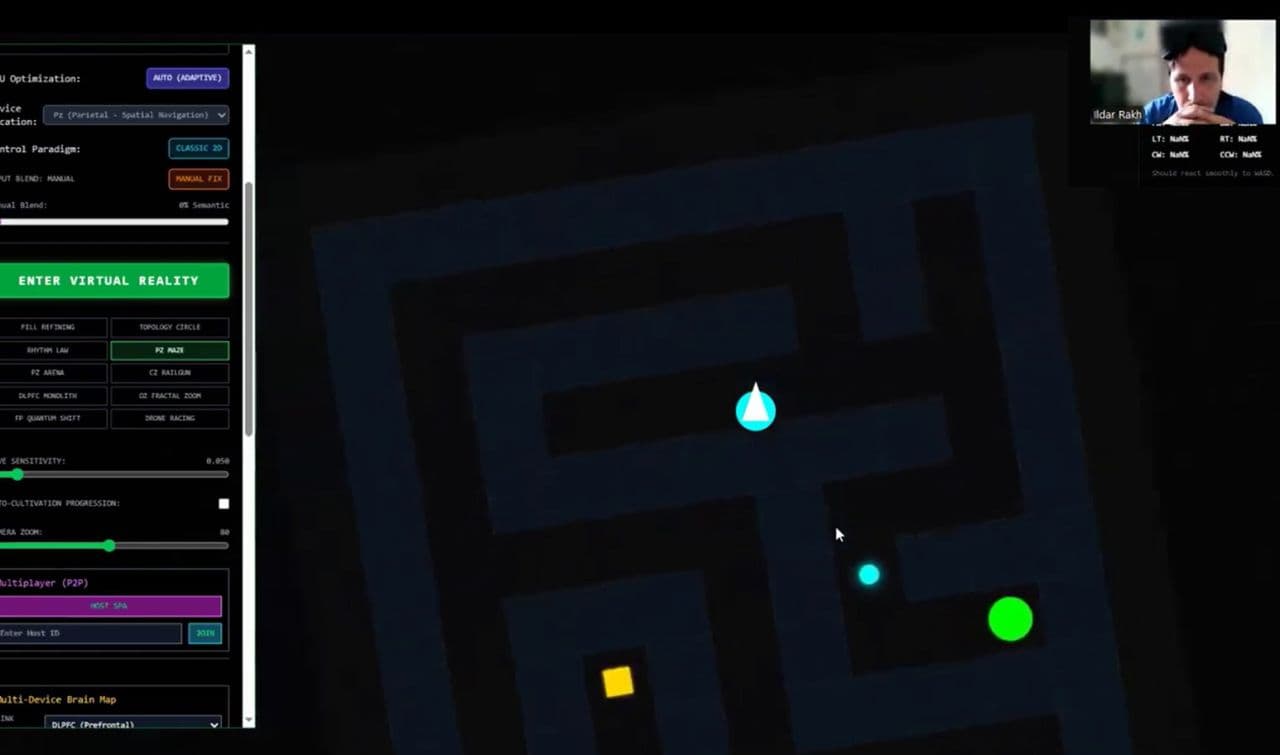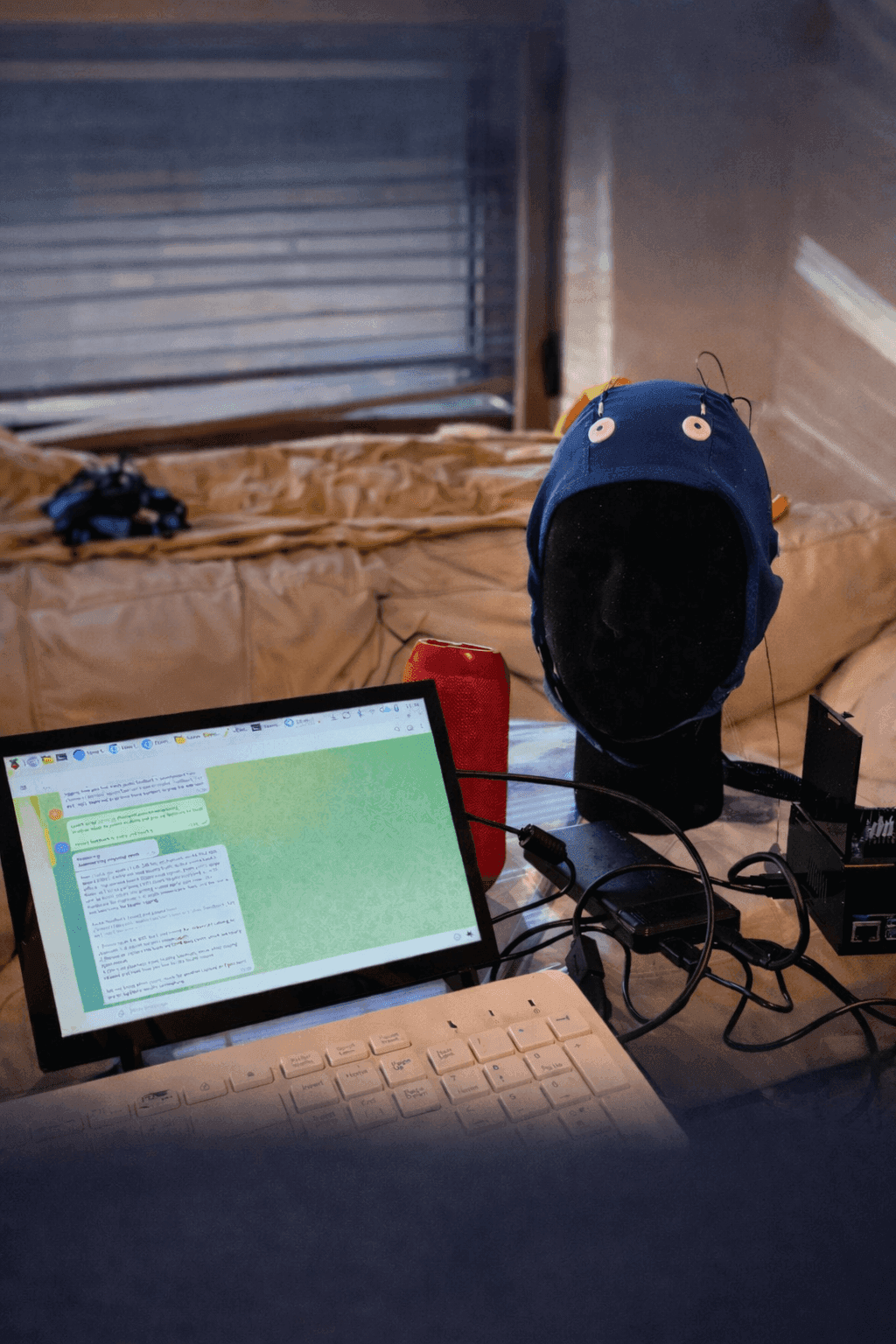
In a groundbreaking demonstration, researchers have successfully connected the OpenClaw robotic gripper directly to the human brain using PiEEG's advanced brain-computer interface (BCI) technology.
The Experiment
The research team used motor imagery - imagining hand movements without actually moving - to control the OpenClaw gripper in real-time. Participants were able to:
- Open and close the gripper with 85% accuracy
- Control grip strength through concentration levels
- Perform complex pick-and-place tasks using only their thoughts
Technology Stack
The system combines several cutting-edge technologies:
Hardware
- PiEEG-32: 32-channel EEG acquisition system
- OpenClaw: Open-source robotic gripper
- Raspberry Pi 4: Processing and control unit
- Active electrodes: For improved signal quality
Software
- Machine Learning: Custom-trained neural network for intent recognition
- Real-time Processing: Sub-100ms latency from thought to action
- Adaptive Algorithms: System learns and improves with use
Applications
This technology opens up exciting possibilities:
Medical
- Prosthetic control for amputees
- Assistive devices for paralysis patients
- Rehabilitation therapy tools
Industrial
- Hands-free operation in hazardous environments
- Enhanced human-robot collaboration
- Novel control interfaces for complex machinery
Research
- Studying motor cortex function
- Brain plasticity and learning
- Human-machine integration
Future Developments
The research team is now working on:
- Multi-degree-of-freedom control
- Integration with more complex robotic systems
- Wireless BCI systems for greater mobility
- Improved machine learning models for better accuracy
Open Source Commitment
In keeping with the open-source philosophy of both PiEEG and OpenClaw, all code, training data, and detailed instructions will be made publicly available. This allows researchers worldwide to replicate and build upon this work.
Get Involved
Interested in BCI research? Join our community:
- Download the code from our GitHub repository
- Join discussions on our Discord server
- Check out our tutorials and documentation
This is just the beginning of what's possible when we combine open-source hardware, advanced signal processing, and machine learning. We can't wait to see what the community builds next!